

Sulfonamides Test Kit
What Are Sulfonamides?
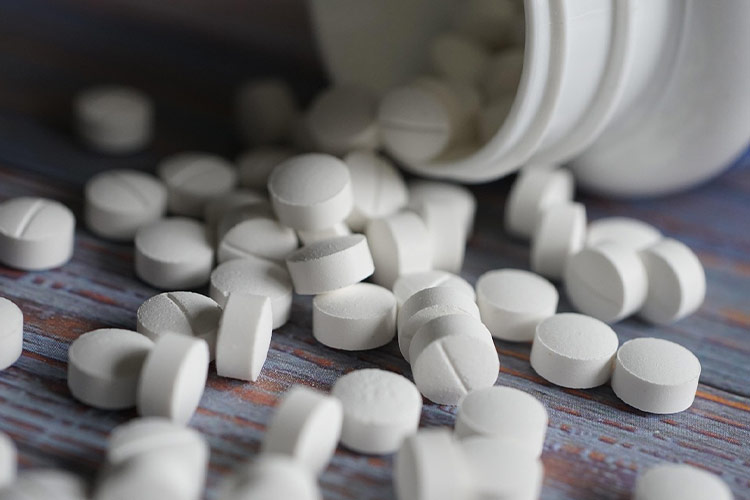
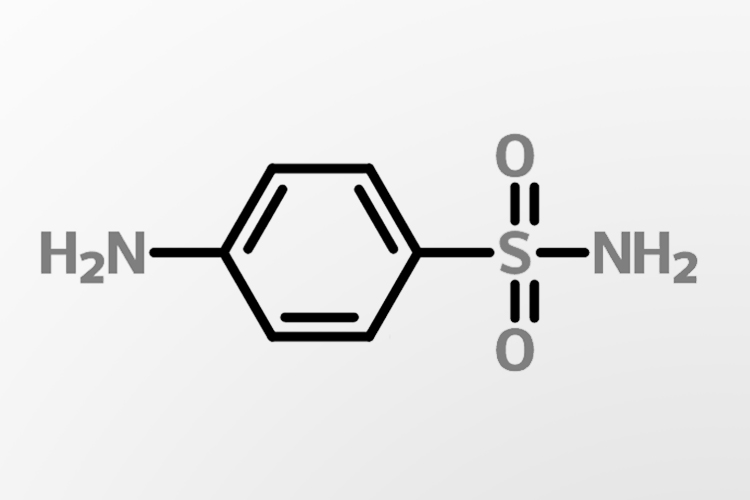
Sulfonamides are a class of synthetic antibacterial drugs with a long history and wide application. Their core structure contains the p-aminobenzenesulfonamide group so that they are collectively referred to as “sulfonamides”. This type of drug was first discovered in the 1930s and was one of the most important types of antibacterial drugs before the advent of the antibiotic era. Sulfonamides have been rapidly and widely used worldwide due to their low cost, simple preparation and significant inhibitory effects on various bacteria. They have occupied a key position in the livestock, poultry, aquaculture and other breeding industries. Sulfonamides are mainly used for the prevention and treatment of bacterial infections, especially showing good effects on common pathogenic bacteria such as Escherichia coli, Streptococcus and Pasteurella. They are often used in combination with other drugs, significantly enhancing antibacterial efficacy by dual inhibition of the bacterial folic acid metabolic pathway. These characteristics have enabled sulfonamides to maintain a relatively high usage level in the global aquaculture industry. Moreover, sulfonamides are widely distributed in tissues and some varieties have a relatively long elimination half-life, which leads to easy residue in animals, especially in laying hens.
Sulfonamides are a class of antibacterial drugs with significant historical and practical value.
However, they have also become a key focus of food safety monitoring due to their metabolic characteristics and wide application. Rapid, accurate and sensitive detection of sulfonamides is an important foundation for ensuring food safety, meeting domestic and international regulatory standards and maintaining the reputation of enterprises.
Sulfonamides Mechanism of Action in Microbial Metabolism
Sulfonamides mechanism of action in microbial metabolism mainly works by inhibiting the metabolism of folic acid in bacteria, suppressing the growth and reproduction of bacteria. Bacteria sensitive to sulfonamides cannot directly utilize exogenous folic acid in the environment during their growth process. Instead, they must rely on para-aminobenzoic acid (PABA) in vitro to combine with dihydropteridine under the action of dihydrofolate synthase to form dihydrofolic acid, which is then converted into tetrahydrofolic acid through dihydrofolate reductase. As a coenzyme, it participates in the synthesis of nucleic acids such as purines and pyrimidines, as well as other important substances. The chemical structure of sulfonamides is highly similar to that of PABA, so they can compete with PABA for binding to dihydrofolate synthase, blocking the production of dihydrofolate and inhibiting the nucleic acid synthesis and cell division of sensitive bacteria. Higher animals can directly utilize exogenous folic acid and their metabolic process is not affected by sulfonamides.
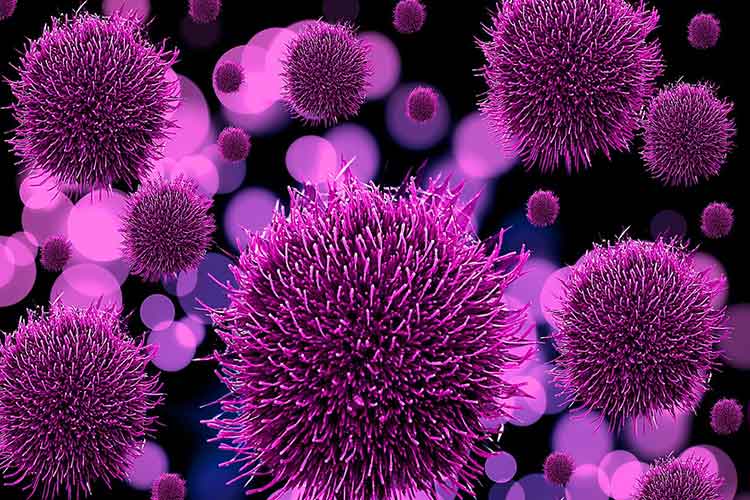
Therefore, sulfonamides have good selectivity for mammals. Sulfonamides have similar antibacterial spectra and are broad-spectrum, slow-acting bacteriostatic agents that can inhibit both Gram-positive and Gram-negative bacteria. Their mechanisms of action are clear and their targets are specific, making them important antibacterial drugs commonly used in livestock breeding.
Characteristics of Sulfonamides
Sulfonamides possess a variety of unique chemical and pharmacological characteristics, which make them occupy an important position in antibacterial treatment and animal medication.
Stable chemical structure
Sulfonamides have a simple molecular structure and high chemical stability. They are resistant to light and environmental changes and are not easy to decompose, which keeps their efficacy stable during production, storage and transportation.
Broad-spectrum antibacterial effect
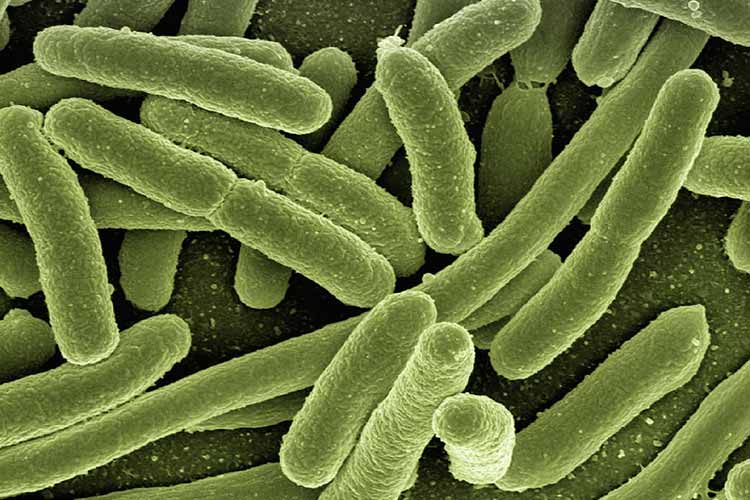
It has inhibitory effects on a variety of Gram-positive and Gram-negative bacteria, including Escherichia coli, Streptococcus, Pasteurellosis, etc., which can be used for the prevention and treatment of various bacterial infections.

Good absorption and distribution in the body
Sulfonamides are rapidly absorbed and widely distributed in the body, effectively reaching the therapeutic concentration in tissues and organs. They reduce the frequency of administration and improve the convenience of use.

Easy to apply for large scale use
In the aquaculture industry, sulfonamides can be fed through drinking water or feed, which is convenient for large-scale use. However, due to the slow metabolism of some drugs, residues may form in meat or eggs
Causes of Sulfonamides Residue in Egg

Excessive dosage of medication
If the dosage of sulfonamides exceeds the recommended amount when preventing and treating bacterial infections in chicken flocks, a large amount of sulfonamides will accumulate in the body and be difficult to be metabolized and excreted in time.

Failure to strictly adhere withdrawal period
The withdrawal period is a crucial time to ensure that sulfonamides degrade to a safe level in the body. If the chicken flock continues to harvest eggs or administer sulfonamides again before the drug withdrawal period ends, it will directly result in excessive sulfonamides residue in the egg.

Individual differences
The absorption, metabolism and excretion capabilities of different individuals in a chicken flock vary. Some chickens with slow metabolism or special constitutions tend to accumulate drugs in their eggs, resulting in residual effects.

Environmental factors influence
The breeding environment such as temperature, humidity, and feed composition can also affect the rate of drug metabolism. High temperatures or unbalanced feed nutrition may slow down drug excretion and increase the risk of residue.

Combined medication
When multiple drugs are used simultaneously in a chicken flock, drug interactions may occur, inhibiting the metabolism of sulfonamides or increasing their accumulation in the body.

Management and feeding factors
Excessive density of the chicken flock, stress conditions or poor health can also affect the metabolic functions of the liver and kidneys, prolonging the retention time of sulfonamides in the body and increasing the risk of residue in eggs.
Elimination Pattern of Sulfonamides Residue in Egg

Sulfonamides are the first chemically synthesized drugs used to treat bacterial infections. In China, they have been listed as prohibited drugs during the egg-laying period. The residual distribution of sulfonamides in eggs is closely related to the specific type of drug, dosage and administration method. For instance, sulfaquinoxaline mainly remains in egg yolks, while sulfamonomethoxine and sulfadiazine are mainly found in egg whites and have a relatively higher risk of residue. Seven days after the combined administration of sulfametoxydiazine and trimethoprim in drinking water, the residual risk of trimethoprim was significantly higher than that of the former. Under the same administration route and duration of treatment, the residual risks of sulfadiazine and sulfamonomethoxine are also higher than those of prinzone. Overall, although sulfonamides have a relatively strong polarity, polarity is not the only factor determining their residual distribution in eggs. The deposition of different drugs in egg yolks and egg whites varies, suggesting that scientific management should be carried out based on the specific characteristics of the drugs during use and monitoring.
Side Effects of Sulfonamides Residue in Egg
Sulfonamides residue in egg may pose multiple potential risks to consumers’ health, mainly due to their biological activity and allergic characteristics. When sulfonamides are used in laying hens, there are still trace amount of sulfonamides in the egg yolks and whites even after the withdrawal period ends. The residual amount is affected by the specific type of sulfonamides, dosage and administration time. Eating eggs with sulfonamides residues can easily cause allergic reactions in people who are sensitive to drugs such as rashes and itching. In severe cases, it may lead to systemic allergic reactions. In addition, long-term low-dose intake of sulfonamides may promote the development of drug resistance in human intestinal microbiota, reducing the efficacy of sulfonamides and related antibiotics in the treatment of infections. Sulfonamides residue may also interfere with normal metabolism by affecting the synthesis of folic acid in the intestinal flora, influencing the absorption of nutrients and overall health. Long-term or excessive exposure to sulfonamides may also lead to blood system abnormalities such as hemolytic anemia in those lacking certain enzymes. For this reason, regulatory authorities in many countries have established maximum residue limits for sulfonamides residues in eggs to reduce potential risks and safeguard public health. Therefore, understanding the residual side effects of sulfonamides in eggs is conducive to promoting the scientific and rational use of antibiotics and effective residue control strategies.
What Is Sulfonamides Test Kit?
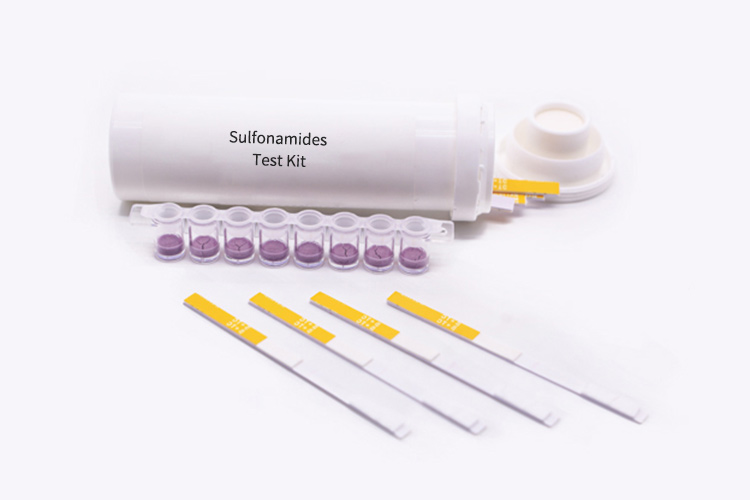
Sulfonamides test kit is a type of tool for detecting sulfonamides residue in egg and is widely used in food safety monitoring, breeding management and third-party testing institution. This test kit usually employs the competitive immunochromatography method. It achieves rapid screening of residual drugs through the specific binding of sulfonamides to the target drugs in the sample. Sulfonamides residue test kit is easy to operate and do not require complex equipment. It can be tested on-site or in the laboratory. Usually, intuitive test results can be obtained within a few minutes, making it convenient to quickly determine whether the sample exceeds the standard. This detection method is intuitive and suitable for large-scale rapid screening and can also be used as an effective tool for preliminary monitoring by food processing factories or regulatory authorities. Sulfonamides test kit can be widely used in self-inspection and daily monitoring of breeding enterprises, helping producers promptly identify drug residue issues and ensuring that eggs meet food safety standards. In food processing enterprises, it can be used as a tool for incoming inspection of raw materials and finished products, preventing substandard raw materials from flowing into the production chain.
In regulatory authorities and third-party testing institutions, it can be used for sampling testing, supervision and management to quickly screen a large number of samples and provide a basis for further laboratory confirmation. Sulfonamides test kit can also be used in the field of scientific research, providing experimental convenience for the study of the metabolic patterns and residue kinetics of sulfonamides in animals.
Why Choose Our Sulfonamides Test Kit?
High sensitivity: Detect trace levels of sulfonamides residue in egg to provide reliable monitoring results.
Easy operation: Designed for user-friendly screening, the kit does not require specialized training or complex equipment.
Visual results: The detection results are easy to interpret within minutes, allowing for rapid decision-making and reducing time.
Wide applicability: The kit supports comprehensive egg safety monitoring across multiple stages of production.

Key Parameters of Sulfonamides Test Kit
| Item | Parameter |
|---|---|
| Analyte | Sulfonamides |
| Sample Type | Egg |
| Gross Weight | 0.3 kg |
| Dimension | 19*6.5*13.5cm |
| Storage | Store at 2-8°C, out of sun light and moisture |
| Shelf Life | 18 months |
| Sensitivity | 20 ppb |
Inquiry for Sulfonamides Test Kit
We would like to hear from you. Please send us a message by filling out the form below and we will get back with you shortly.