Egg Test Kit
Egg Testing Kit
Egg Test Kit Manufacturer
What Is Egg Test Kit?

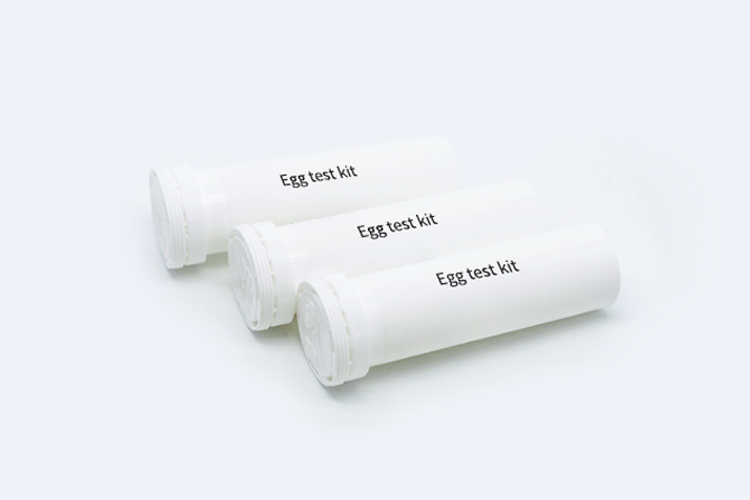
Egg test kit is a rapid detection tool specifically designed for detecting harmful residues such as antibiotics in eggs. With the development of modern animal husbandry, some drugs may be used in the egg production process to prevent diseases and the antibiotic residue in eggs may pose a potential threat to human health. Therefore, egg test kit emerged as an important means to ensure food safety and improve the quality of eggs. This test kit is easy to operate and can quickly identify harmful components in eggs without complex experimental equipment, helping farms, food processing factories and regulatory authorities to monitor the safety of eggs in real time. Compared with traditional laboratory testing method, egg testing kit has the advantages of convenience, rapidity and on-site operation, providing a reliable first line of defense for food safety.
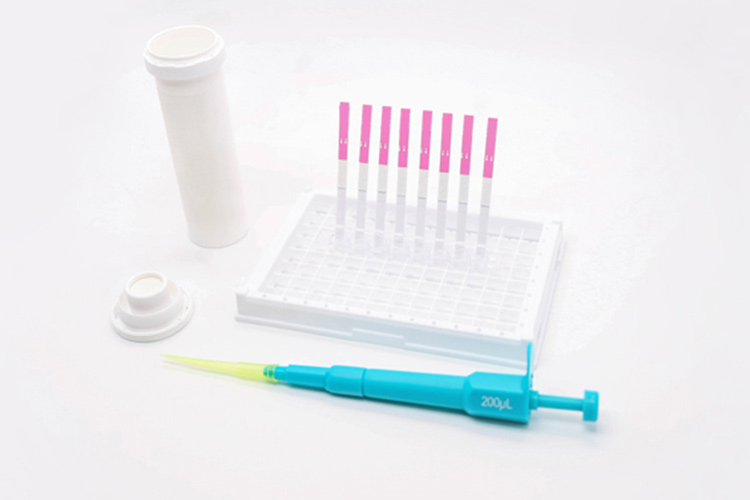
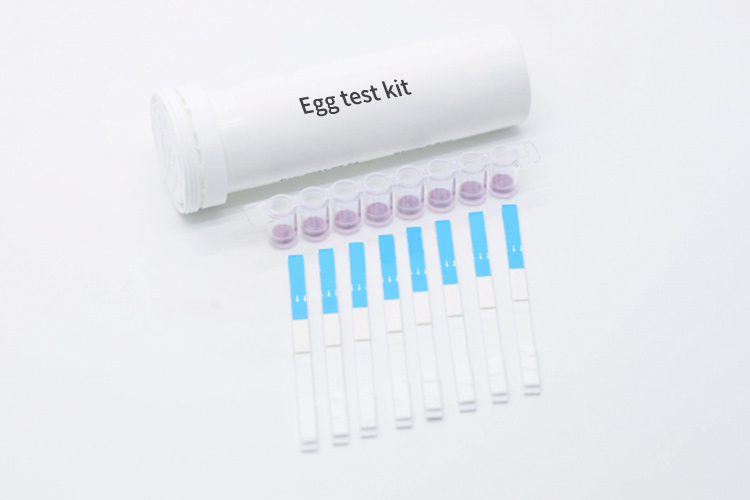
The design concept of egg test kit is to combine advanced colloidal gold immunochromatography technology with a user-friendly operation mode to achieve efficient and accurate detection results. When in use, simply drop the test kit to a small amount of diluted egg sample and you can obtain visual test results in a short time without the need for professional experimental skills. This rapid detection not only reduces detection costs but also greatly enhances the efficiency of the production process, enabling factories to identify problems in a short period of time and take timely measures to avoid potential food safety risks. Meanwhile, egg testing kit is also suitable for scientific research experiments and quality control scenarios, providing a reliable auxiliary detection tool for laboratories. Through this scientific and standardized testing method, egg test kit has become an important tool to ensure egg safety, safeguard consumer health and enhance corporate reputation.


Working Principle of Egg Test Kit
Egg test kit mainly relies on colloidal gold immunochromatography for rapid detection. This technology is based on the principle of highly specific binding between antigens and antibodies. Antibodies are fixed in the detection area of the test kit. When the egg sample contains the target substance such as antibiotic residue in eggs, it will combine with the antibody on the test kit and generate a visual signal through colloidal gold labeling. In addition to its ease of operation, Egg testing kit is also highly sensitive and specific. Colloidal gold immunochromatography technology can accurately identify trace antibiotic residue in eggs. Even if the residue is extremely low, it can be clearly displayed on the test kit, ensuring the accuracy of the test results. Meanwhile, this technology combines standardized detection design with strict quality control, ensuring that each test kit undergoes rigorous testing before leaving the factory to guarantee consistency and reliability. Through this scientific and rapid detection method, egg test kit can not only help breeding farms and food processing factories discover problems in time and prevent substandard products from entering the market, but also provide regulatory authorities with a simple and feasible on-site detection method, further ensuring the food safety of consumers.
Causes of Antibiotic Residue in Eggs

Eggs are one of the common animal derived foods, rich in nutrients and easily absorbed by the human body. They are the main source of protein in residents' diets. As the poultry industry continues to move towards scale and industrialization, the use of antibiotics in the breeding process is becoming increasingly common. In modern animal husbandry, to prevent diseases and promote the healthy growth of chickens, farmers often add antibiotics to feed or drinking water. Although these drugs can effectively control diseases in chicken flocks, if they are not used properly, they may lead to antibiotic residues in the hens and be transferred into the eggs. For instance, if the dosage of antibiotics is too high, the continuous use period is too long or eggs are laid before the drug withdrawal period is sufficient, the drugs may not be completely metabolized and remain in the egg yolk or egg white. The metabolic rates of different types of antibiotics in the body vary. Some may degrade rapidly, while others tend to accumulate in the body, increasing the risk of residue in eggs. In addition, some farms use multiple drugs simultaneously when treating or preventing diseases in hens. The combined effect will also increase the probability of residue. Antibiotic residue in eggs not only alter the chemical composition of the eggs but may also pose health risks to consumers after consumption.
Side Effects of Antibiotic Residue in Eggs

Why Choose Our Egg Test Kit?




What Types of Residues Can Egg Test Kit Detect?


| Chloramphenicol | Florfenicol |
|---|---|
| Sulfonamide | Thiamphenicol |
| 4-quinolones | Kanamycin |
| Enrofloxacin | Erythromycin |
| Ciprofloxacin | Amantadine |
| Ofloxacin | Penicillium |
| Lincomycin | Amoxicillin |
| Gentamicin | Lactam |
Egg Test Kit vs. Traditional Laboratory Testing


| Feature | Egg Test Kit | Traditional Laboratory Testing |
|---|---|---|
| Testing time | Result available in 5 minutes | Usually take 1-3 days to obtain result |
| Testing cost | Low cost for routine monitoring | High cost for scientific research |
| Operation difficulty | Easy to operate, no training required | Require professional training |
| Result type | Read result through color line | Provide detailed data and report |
| Application scenarios | All types of farm, without scenarios limited | Scientific research and product certification |
Application Scenarios of Egg Test Kit






How to Use Egg Test Kit?





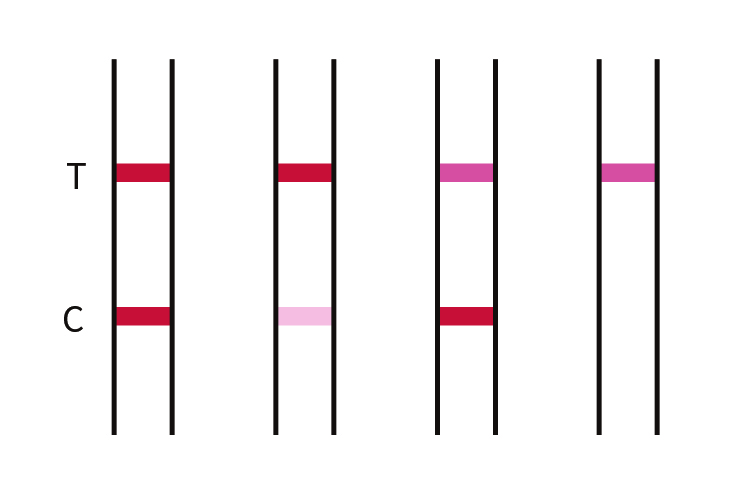
How to Interpret Testing Result with Egg Test Kit?