
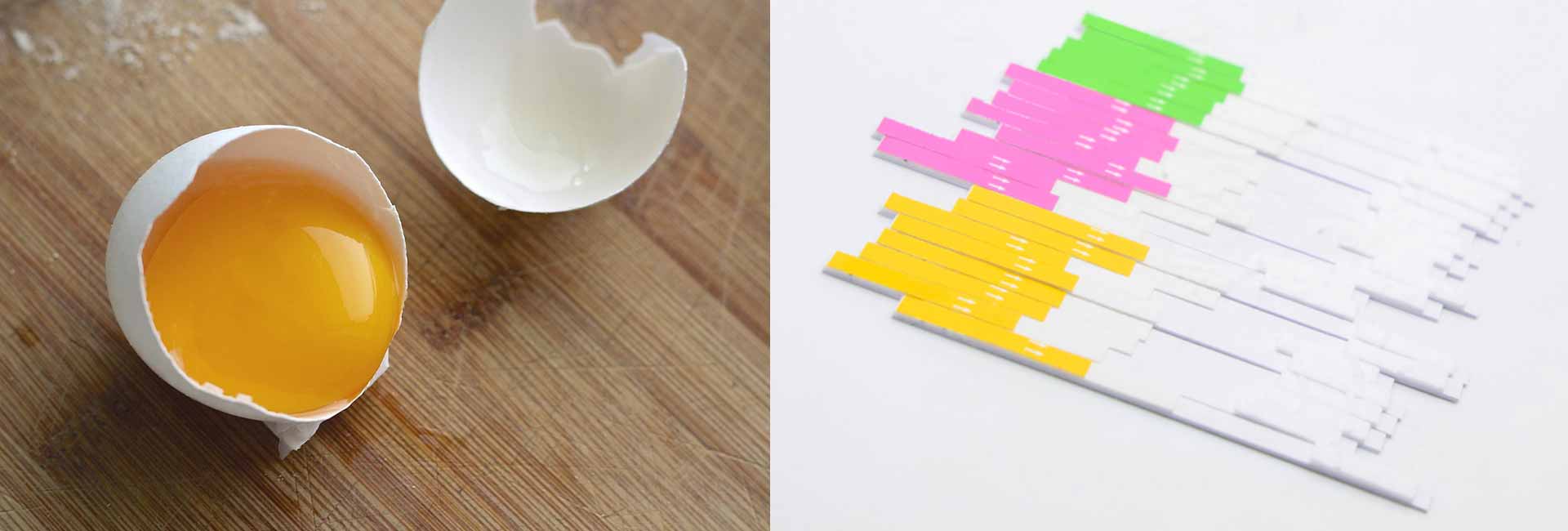
Enrofloxacin Test Kit
What Is Enrofloxacin?
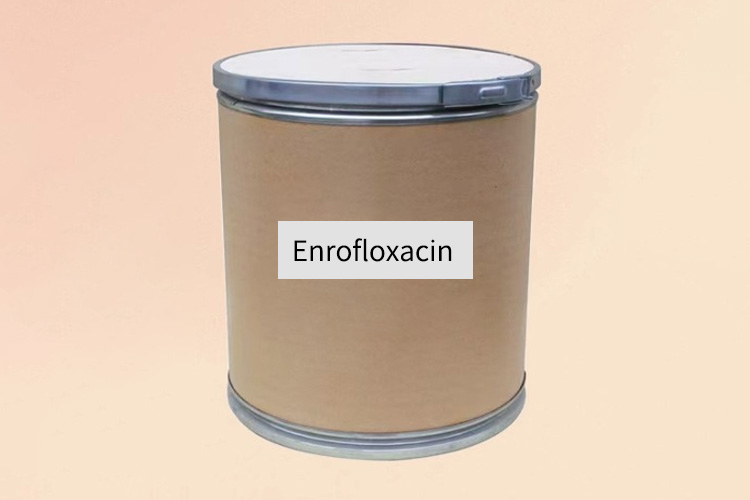
Enrofloxacin is a broad-spectrum antibacterial drug synthesized artificially. As the third-generation quinolone drug, with the broad-spectrum antibacterial activity, strong bactericidal activity and relatively low toxic and side effects, enrofloxacin is mainly used for the prevention and treatment of animal diseases and have relatively wide applications in the fields of poultry, livestock and aquaculture. From a chemical structure perspective, enrofloxacin possesses the typical characteristics of fluoroquinolone drugs, which inhibit bacterial growth by interfering with the DNA replication process of bacteria. Compared with traditional antibiotics, enrofloxacin has a good inhibitory effect on many Gram-negative bacteria and some Gram-positive bacteria, which is also one of the important reasons why it is widely used in the prevention and treatment of animal diseases. In practical applications, enrofloxacin is often used to treat or control common bacterial infections in poultry such as respiratory tract infection, intestinal infection and systemic disease caused by sensitive bacteria. Its efficacy takes effect relatively quickly and can form a high effective concentration in animal tissues, helping to control infection and reduce the risk of disease spread.
Enrofloxacin Mechanism of Action in Poultry
Enrofloxacin, as a fluoroquinolone antibiotic, mainly exerts its antibacterial effect by interfering with the replication process of bacterial genetic material. During the growth and reproduction of bacteria, they need to constantly replicate their own DNA to complete cell division and metabolic activities and this process relies on the normal functions of multiple key enzymes. Enrofloxacin precisely inhibits bacterial reproduction and ultimately exerts its antibacterial effect by acting on these key enzymes. The enrofloxacin mechanism of action is to directly act on the nucleus of the pathogen, blocking the gyrase required for DNA replication, inhibiting the metabolism and reproduction of bacteria at the core. This unique antibacterial method enables enrofloxacin to rapidly and effectively kill pathogenic bacteria, including stubborn mycoplasma. In addition, enrofloxacin has an extremely broad antibacterial spectrum and can effectively kill both Gram-positive and Gram-negative bacteria, especially showing a more significant effect on fixed mycoplasma. The antibacterial effect of enrofloxacin is usually direct and takes effect relatively quickly, which is also one of the important reasons why it is widely adopted in animal disease control.

The Role of Enrofloxacin in Poultry
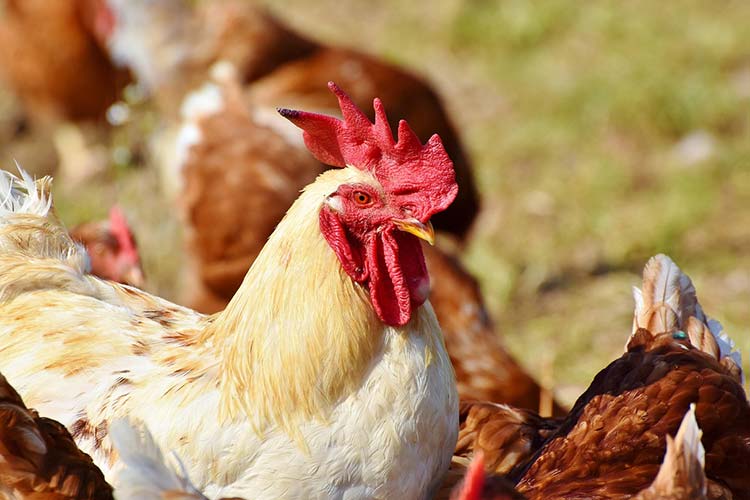

In modern poultry farming, bacterial diseases are one of the important factors affecting the farming efficiency and animal health. High-density breeding environments, climate change and inadequate biosecurity management may all increase the risk of pathogenic microorganism transmission. Against this backdrop, enrofloxacin is widely used in the prevention and control of poultry diseases with its main role reflected in the inhibition and control of various bacterial infections. Enrofloxacin for chickens mainly focuses on respiratory system infections, digestive system infections and some systemic bacterial diseases caused by sensitive bacteria. For instance, bacterial respiratory problems, intestinal infections and secondary bacterial infections that are relatively common in poultry farming have all been included in the potential application scope of enrofloxacin. The distribution characteristics of enrofloxacin in poultry are also an important reason for its use in disease control. This drug has good absorption performance and tissue penetration ability and can be rapidly distributed to multiple tissues and organs through the blood circulation, forming a relatively stable effective concentration at the infection site. This characteristic helps control the spread of bacteria in the early stage of the disease, reducing the risk of group outbreaks and minimizing economic losses.
However, the role of enrofloxacin in poultry is a “double-edged sword”. On the one hand, its antibacterial effect provides support for disease control; On the other hand, if not managed properly, it may bring about obvious risks to food safety and public health. In the actual breeding process, over-range use, improper timing of use or failure to strictly follow the drug withdrawal period may all lead to enrofloxacin residues in poultry and further enter animal-derived foods such as eggs.
Sources of Enrofloxacin Residues in Eggs
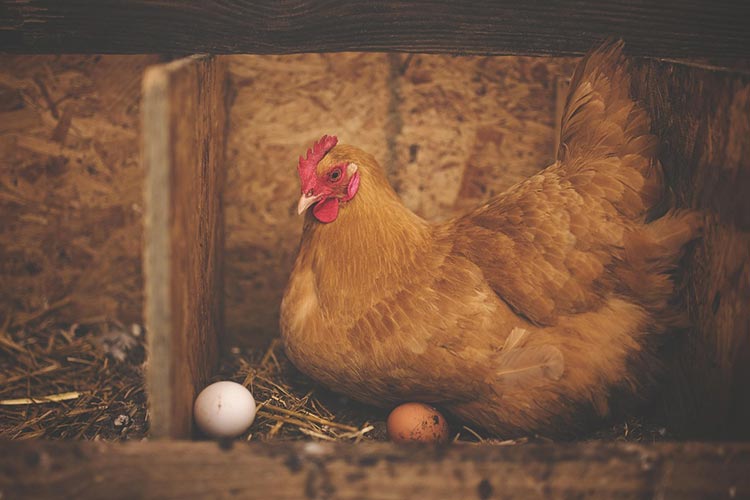
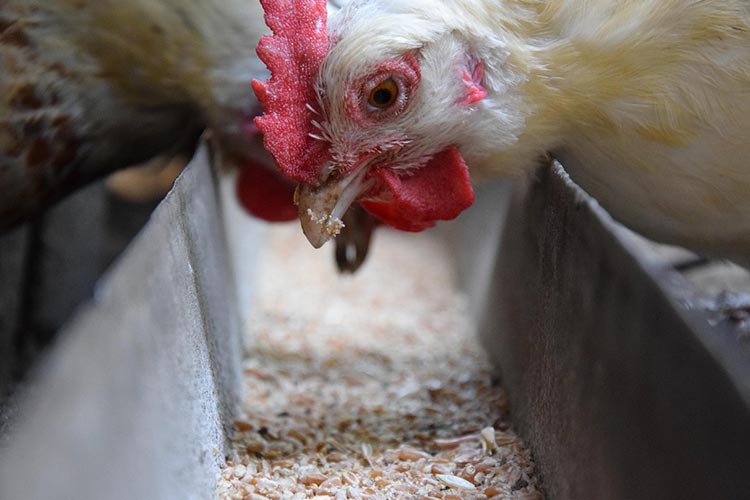
Improper use in laying hens
Enrofloxacin is improperly administered to laying hens. Since egg formation is closely linked to the hen’s metabolic system, such practices can directly lead to detectable residues in eggs.
Treatment of overdosage
Excessive dosing or repeated administration of enrofloxacin increases the risk of drug accumulation in poultry, which may impair normal metabolism and increase the likelihood of residues appearing in eggs.
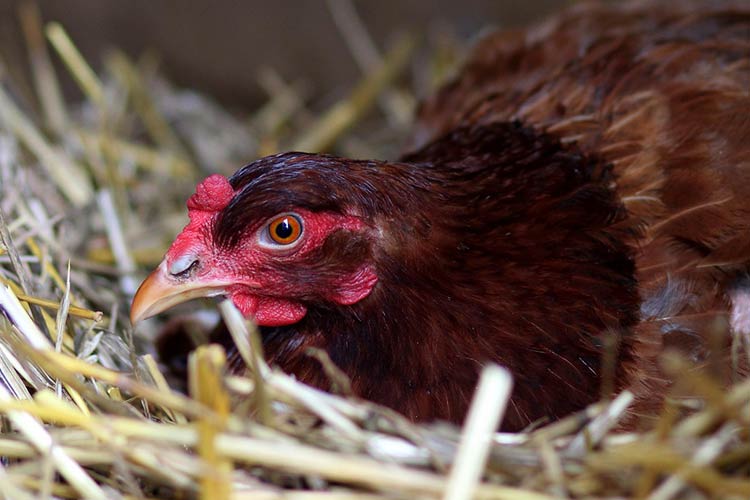
Failure to observe the withdrawal period
If enrofloxacin is used during or close to the egg-laying period without strictly observing the required withdrawal period, enrofloxacin may not be fully metabolized and can be transferred into eggs, resulting in residues.

Pharmacokinetic properties in poultry
Due to its strong tissue penetration and systemic distribution, enrofloxacin can reach various organs through blood circulation. During metabolism and excretion, residues temporarily persist in tissues related to egg formation.
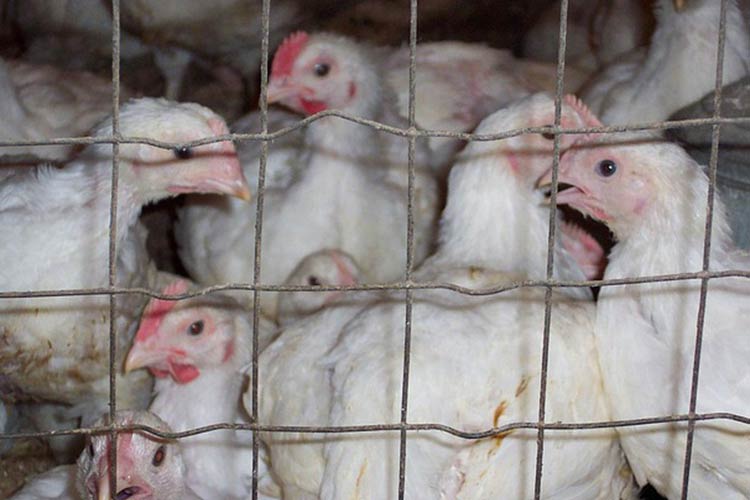
Inadequate farm management
Poor farm management and incomplete drug records can lead to misuse, repeated treatment or miscalculated withdrawal period, significantly increasing the risk of enrofloxacin residues in eggs.
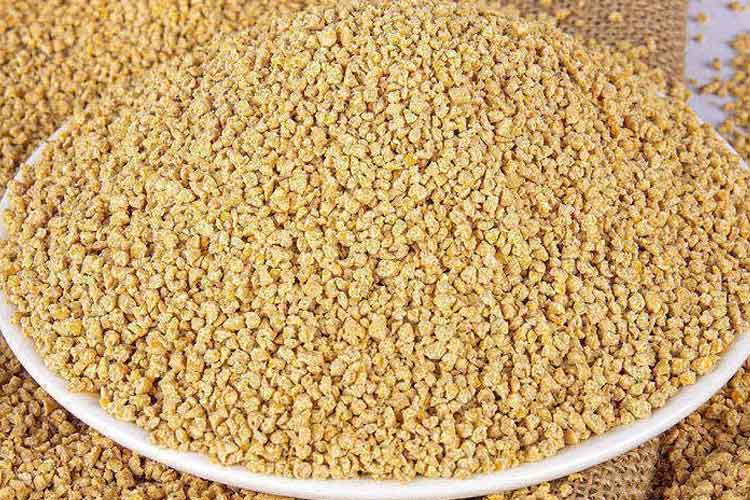
Cross-contamination from environment
Cross-contamination in feed production, storage, or the farm environment may result in unintended exposure of poultry to trace amounts of enrofloxacin, leading to low-level residues in eggs.
Potential Risks of Enrofloxacin Residues in Eggs

Potential health risk for consumers
The presence of enrofloxacin residues in eggs may pose potential health risks to consumers such as headache, dizziness and poor sleep. Large doses or long-term intake may also cause liver damage. Even low-level residues may raise concerns, particularly for vulnerable populations such as children and the elderly.

Potential risk of antimicrobial resistance
Enrofloxacin residues are closely associated with the development of antimicrobial resistance. Continuous exposure to low levels of antibiotics through food may contribute to the emergence of resistant bacteria, reducing the effectiveness of antimicrobial treatments.

Food safety and supply chain issues
Detection of enrofloxacin residues in eggs can trigger food safety incidents and undermine consumer confidence in brands. They are not limited to the farming stage but can also affect processing, distribution and retail, amplifying quality control and compliance pressures across the entire supply chain.
Necessity of Monitoring Enrofloxacin Residues

With the continuous strengthening of food safety supervision, enrofloxacin has become one of the key veterinary drug types under close monitoring in animal-derived foods. Eggs, as a frequently consumed food, their safety is directly related to public health and market trust. Once enrofloxacin residues are found in eggs, it not only poses potential risks to consumers’ health, but also triggers multiple issues such as regulatory compliance, product circulation and market access. Therefore, scientific and continuous monitoring of enrofloxacin residues in eggs has become an important measure for breeding enterprises, food production enterprises and regulatory authorities to ensure food safety. By establishing a standardized residue detection system, risks can be identified and controlled in a timely manner, preventing substandard products from entering the market. At the same time, it also helps to enhance the quality management level of enterprises and meet the increasingly strict food safety regulations. Therefore, choosing a high-effective enrofloxacin test kit is of great importance for monitoring enrofloxacin residue.
What Is Enrofloxacin Test Kit?
Enrofloxacin test kit is used for the rapid detection of enrofloxacin residues and is widely applied in the fields of food safety. Enrofloxacin is a broad-spectrum antibiotic often used in veterinary drugs, and its residues may pose a potential threat to the safety of the food chain. Therefore, the use of enrofloxacin residue test kit can help ensure the control of veterinary drug residues in food and safeguard the health and safety of consumers. This kit is designed based on immunoassay principles. It achieves qualitative or semi-quantitative detection of enrofloxacin residues in samples through the specific binding between antigens and antibodies. This principle utilizes enrofloxacin molecules as the target substance, which react with the pre-prepared specific antibodies, reflecting the presence of enrofloxacin in the sample. During the detection process, the sample is added to the reaction system after simple pretreatment. If the sample contains enrofloxacin, its molecules will bind to the specific antibodies in the test kit and participate in the immune competitive reaction. As the reaction proceeds, the binding state will change accordingly and be manifested in the form of recognizable signals. The content of enrofloxacin in the sample varies and so does the reaction result, achieving an effective judgment of the residual level of enrofloxacin.
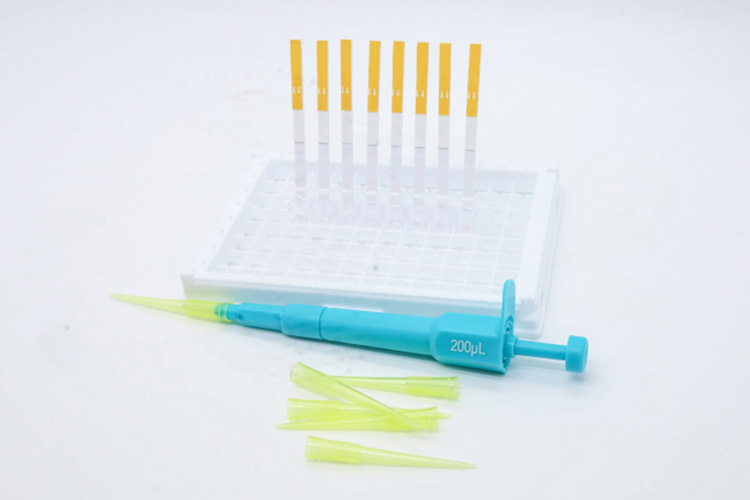
It can be used for the detection of samples such as poultry and livestock products and is suitable for various application scenarios including breeding farms, food production enterprises and basic testing laboratories. The use of enrofloxacin test kit for rapid detection not only provides accurate results but also is simple and fast to operate, making it suitable for real-time on-site monitoring.
Advantages of Enrofloxacin Test Kit

Enrofloxacin test kit is designed with full consideration of the actual application requirements of food safety testing. Combined with stable immunoassay technology, it achieves a balance between detection efficiency, operational convenience and result reliability. This kit is suitable for screening enrofloxacin residues in related samples. It can serve as an important tool for daily monitoring and quality management, helping users identify potential risks in a timely manner and improve the level of food safety management.
Key advantages:
Simple and easy to use
Suitable for rapid screening
High sensitivity and stable result
Good anti-interference ability
Applicable to various detection scenarios
Key Parameters of Enrofloxacin Test Kit
| Item | Parameter |
|---|---|
| Analyte | Enrofloxacin |
| Sample Type | Egg |
| Gross Weight | 0.3 kg |
| Dimension | 19*6.5*13.5cm |
| Storage | Store at 2-8°C, out of sun light and moisture |
| Shelf Life | 18 months |
| Sensitivity | 10 ppb |
How to Choose Safe Eggs?
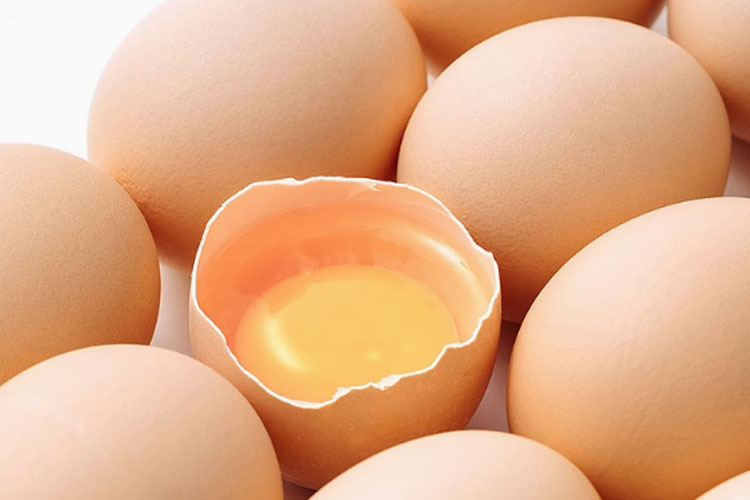
Purchase eggs from qualified brands: Try to choose regular channels to buy eggs from brands that have passed testing. Pay more attention to the certification marks on the eggs’ packaging such as organic certification or pollution-free eggs.
Check the production date: Try to buy “young” eggs. The closer the production date, the better the nutrition and taste of the eggs. The decomposition of substances such as antibiotics during storage will be reduced, avoiding eating eggs that have been stored for a long time.
Pay attention to cooking thoroughly: For foods like eggs that are prone to residue risks, do not eat them raw or half-cooked. High-temperature cooking is the simplest safety guarantee. Boiled eggs are safer and more nutritious.
Inquiry for Enrofloxacin Test Kit
We would like to hear from you. Please send us a message by filling out the form below and we will get back with you shortly.